Fez, Morocco — Dr. Ameenah Gurib-Fakim, Board Chair of the Global Leadership and Governance Institute (GLGI) and former President of the Republic of Mauritius, addressed the inaugural edition of “Karamah” — The Fez Summit on Universal Dignity, held in the historic city of Fez, Morocco.
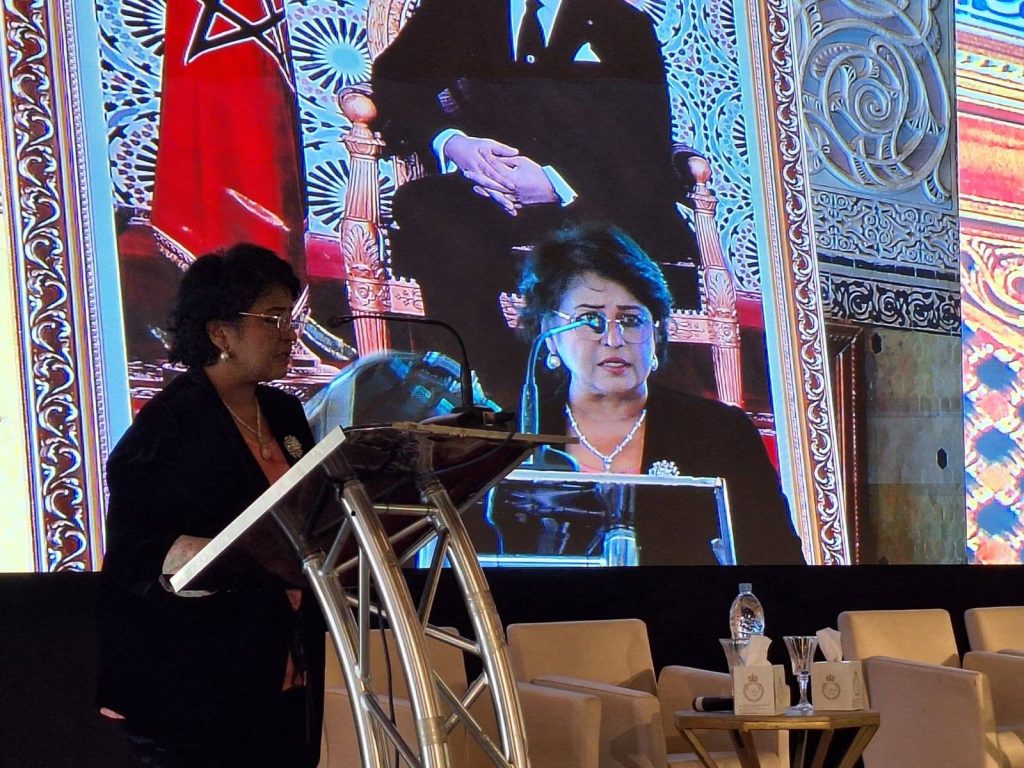 Speaking at the summit, Dr. Gurib-Fakim focused her remarks on the power of words and their profound influence on societies, perceptions, and human relationships. She emphasized that words are not merely tools of expression, but forces that can shape public sentiment, deepen divisions, and influence the direction of peace or conflict.
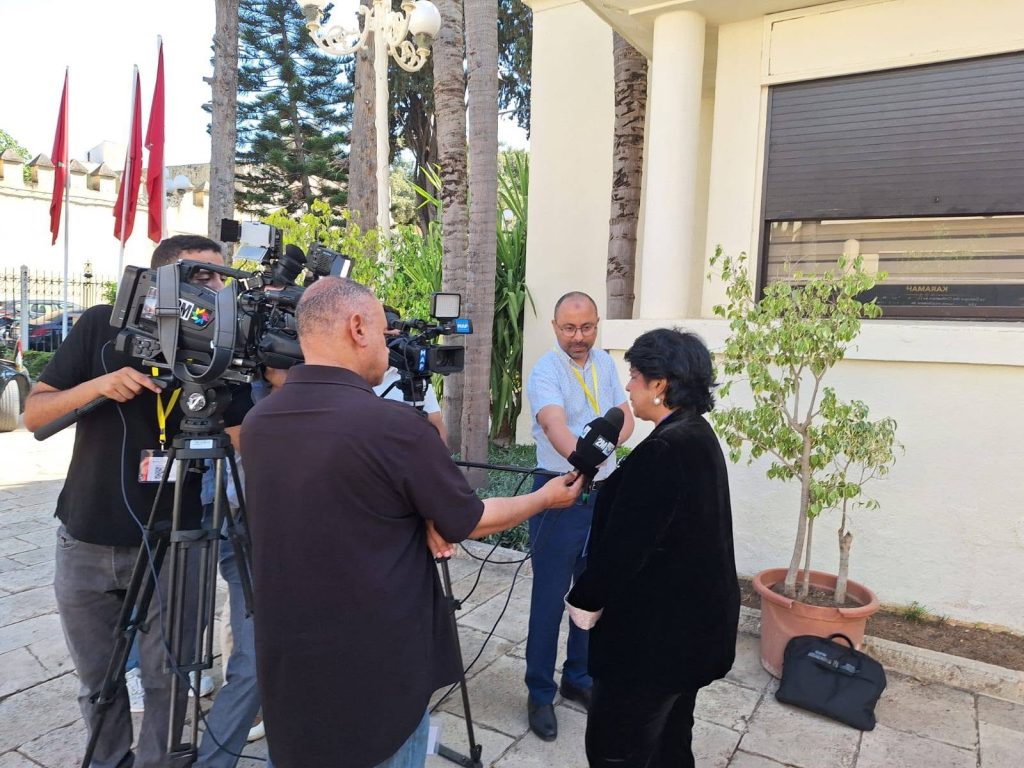 Dr. Gurib-Fakim noted that words can amplify fear, distort perceptions, and turn ordinary people into perceived enemies. In an increasingly polarized world, she called for greater responsibility in the way leaders, institutions, communities, and individuals communicate with one another.
 “Why don’t we start letting our words be bridges and not barriers?” Dr. Gurib-Fakim said, underlining the need for dialogue rooted in dignity, empathy, and mutual understanding. She further reminded participants that “war begins with words,” highlighting the critical role of language in either preventing conflict or fueling hostility.
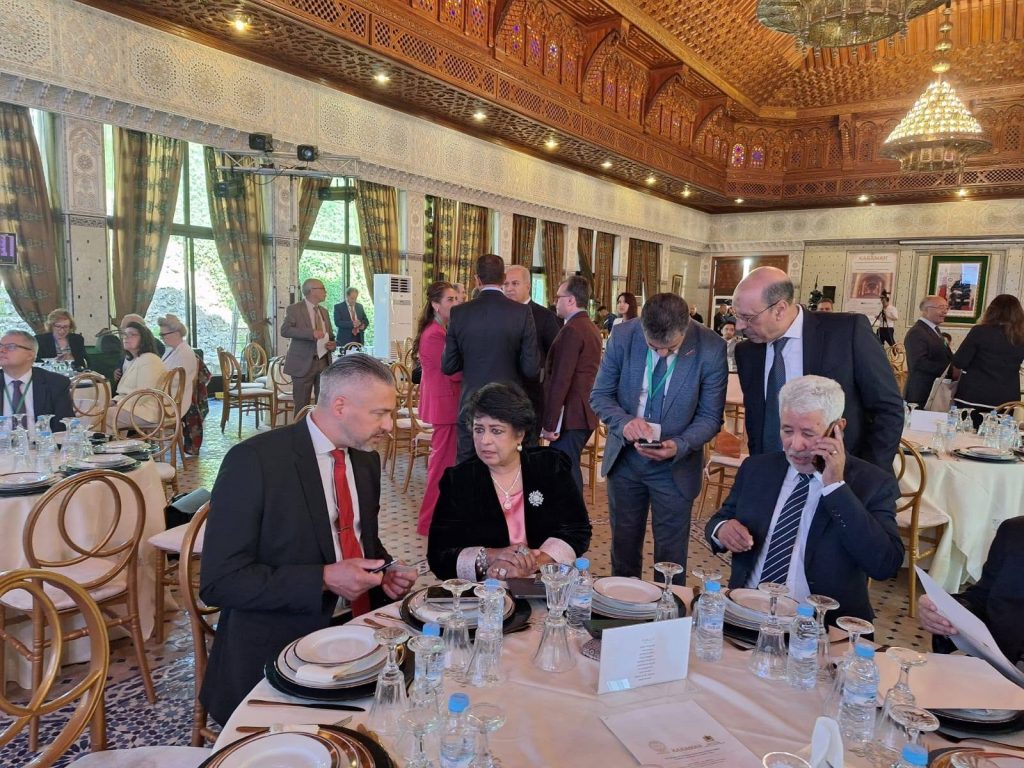
The Fez Summit on Universal Dignity brought together voices committed to advancing human dignity, peace, dialogue, and shared responsibility. Against the backdrop of Fez, a city known for its deep historical and cultural significance, the summit provided a meaningful platform for reflection on how dignity can serve as a foundation for more peaceful and inclusive societies.
“Why don’t we start letting our words be bridges and not barriers?” Dr. Gurib-Fakim said, underlining the need for dialogue rooted in dignity, empathy, and mutual understanding. She further reminded participants that “war begins with words,” highlighting the critical role of language in either preventing conflict or fueling hostility.
The Fez Summit on Universal Dignity brought together voices committed to advancing human dignity, peace, dialogue, and shared responsibility. Against the backdrop of Fez, a city known for its deep historical and cultural significance, the summit provided a meaningful platform for reflection on how dignity can serve as a foundation for more peaceful and inclusive societies.
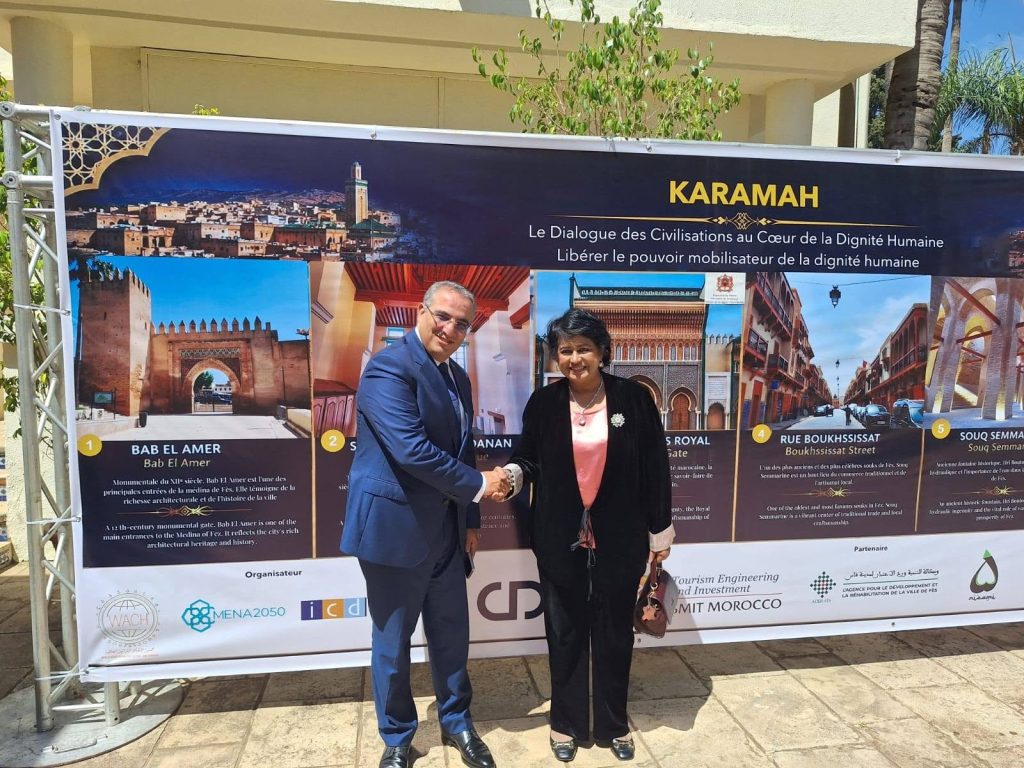 Dr. Gurib-Fakim’s participation underscored her continued commitment to global dialogue, responsible leadership, and the promotion of values that strengthen peace and human coexistence. Her message called on participants to recognize the moral weight of words and to use communication as a bridge toward understanding rather than a barrier that divides communities.
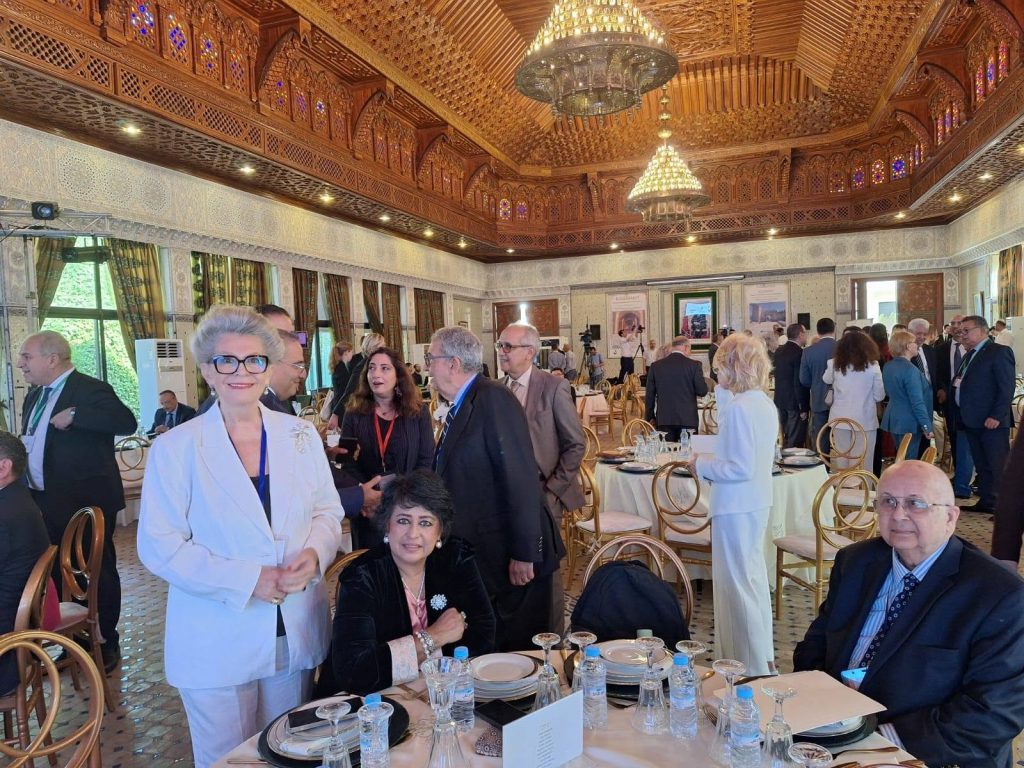 As the first edition of “Karamah” concluded, Dr. Gurib-Fakim’s remarks served as a timely reminder that the pursuit of universal dignity begins not only with policy and action, but also with the words people choose to speak.
Speaking at the summit, Dr. Gurib-Fakim focused her remarks on the power of words and their profound influence on societies, perceptions, and human relationships. She emphasized that words are not merely tools of expression, but forces that can shape public sentiment, deepen divisions, and influence the direction of peace or conflict.
Dr. Gurib-Fakim noted that words can amplify fear, distort perceptions, and turn ordinary people into perceived enemies. In an increasingly polarized world, she called for greater responsibility in the way leaders, institutions, communities, and individuals communicate with one another.
“Why don’t we start letting our words be bridges and not barriers?” Dr. Gurib-Fakim said, underlining the need for dialogue rooted in dignity, empathy, and mutual understanding. She further reminded participants that “war begins with words,” highlighting the critical role of language in either preventing conflict or fueling hostility.
The Fez Summit on Universal Dignity brought together voices committed to advancing human dignity, peace, dialogue, and shared responsibility. Against the backdrop of Fez, a city known for its deep historical and cultural significance, the summit provided a meaningful platform for reflection on how dignity can serve as a foundation for more peaceful and inclusive societies.
Dr. Gurib-Fakim’s participation underscored her continued commitment to global dialogue, responsible leadership, and the promotion of values that strengthen peace and human coexistence. Her message called on participants to recognize the moral weight of words and to use communication as a bridge toward understanding rather than a barrier that divides communities.
As the first edition of “Karamah” concluded, Dr. Gurib-Fakim’s remarks served as a timely reminder that the pursuit of universal dignity begins not only with policy and action, but also with the words people choose to speak.