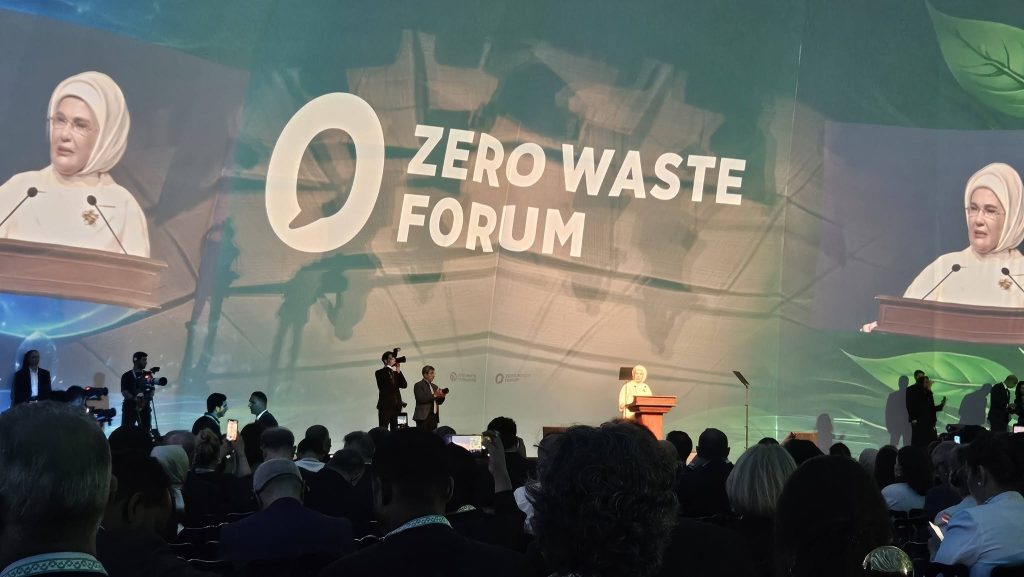
Istanbul, Türkiye, 5-7 June, 2026 — Dr. Ameenah Gurib-Fakim, Board Chair of the Global Leadership and Governance Institute (GLGI) and former President of the Republic of Mauritius, participated in the Zero Waste Forum in Istanbul, where global leaders, policymakers, experts, and sustainability advocates gathered to discuss practical pathways toward a more circular and climate-resilient future.
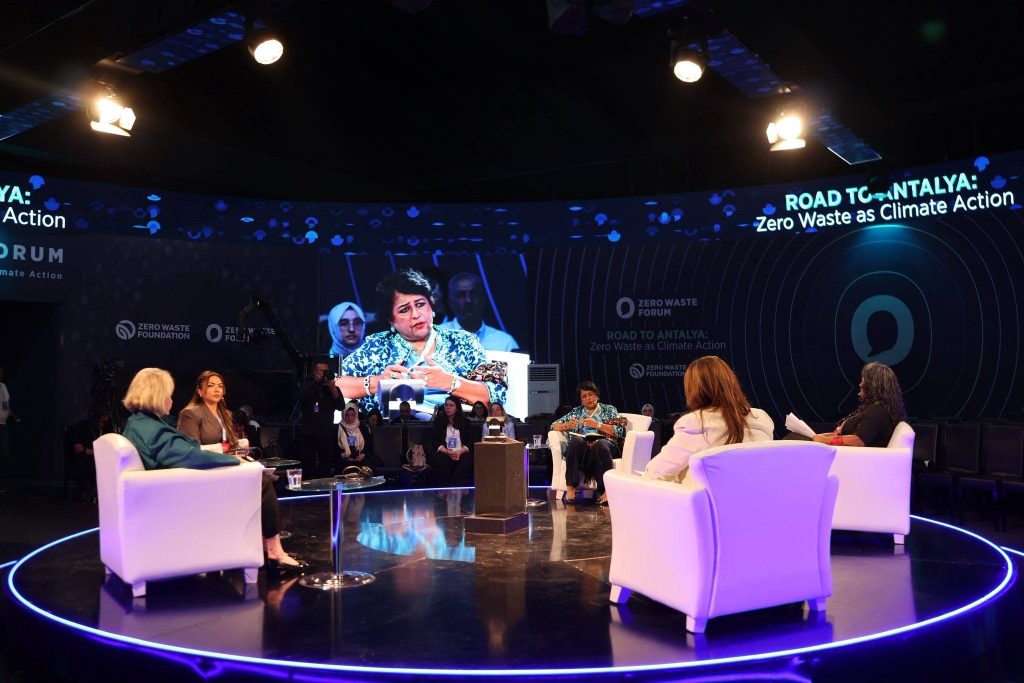 Held under the aegis of the Zero Waste Foundation, the Forum served as an important platform on the road to COP31 in Antalya, bringing renewed attention to one of the most pressing environmental challenges facing the planet: waste. Against the backdrop of World Environment Day on June 5, Dr. Gurib-Fakim emphasized that the global waste crisis cannot be addressed through conventional linear economic models alone, but requires a collective shift in mindset, policy, and practice.
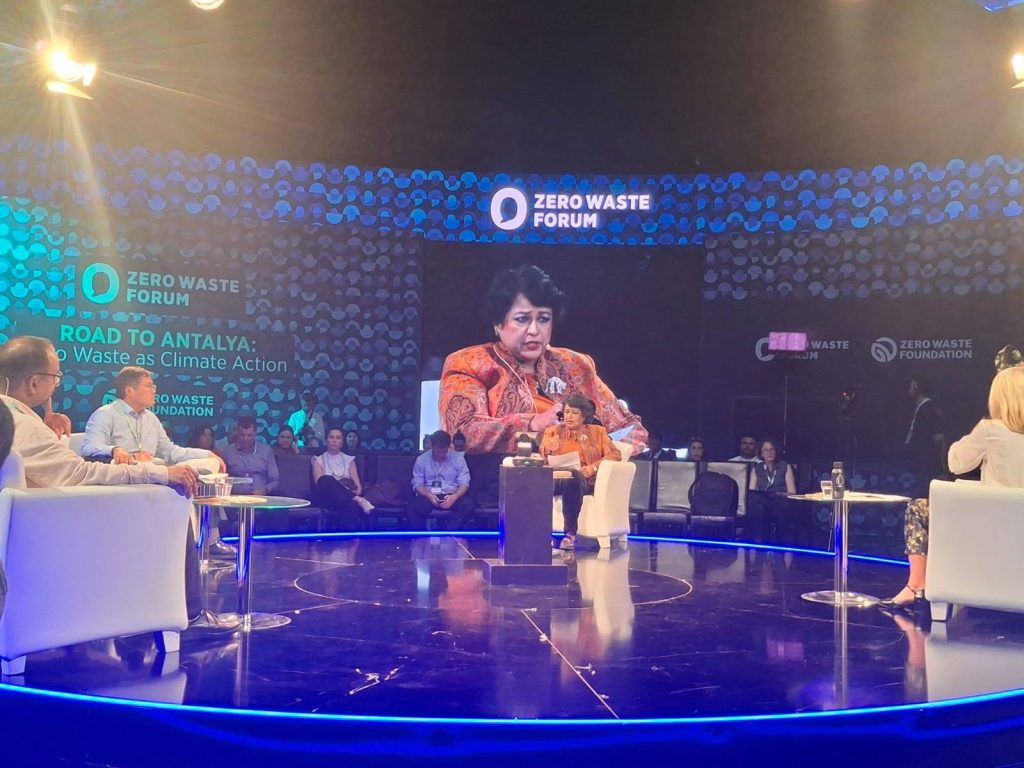
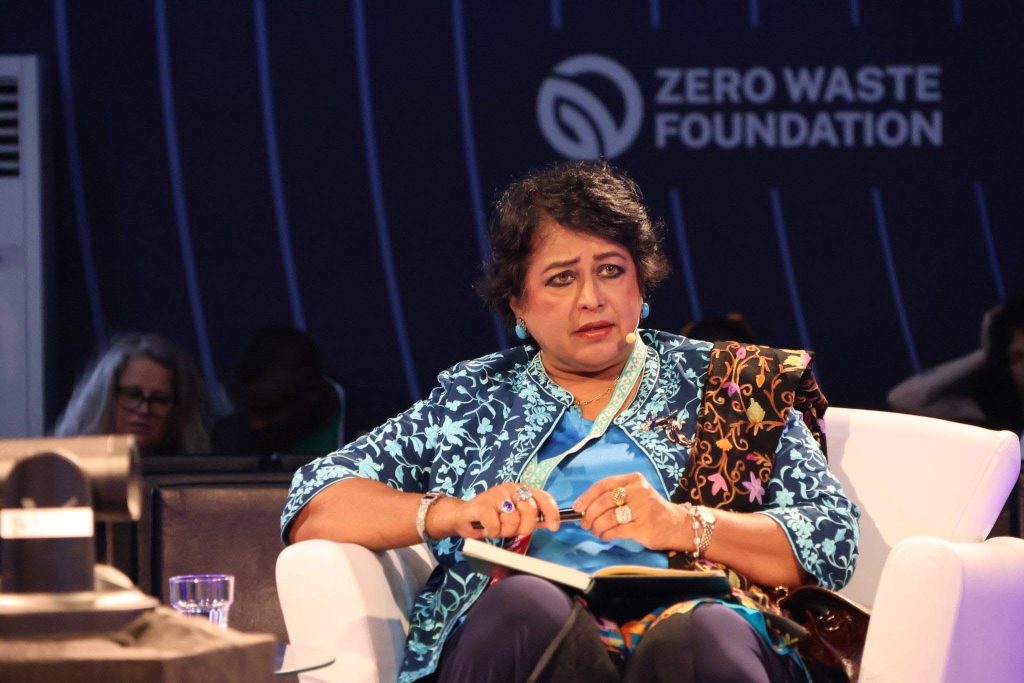 Speaking during a panel moderated by Dr. Emani Kumar, Deputy Secretary General of ICLEI and Executive Director of ICLEI South Asia, Dr. Gurib-Fakim reflected on the need to move beyond a “take-make-dispose” approach and toward systems that prioritize responsible consumption, resource efficiency, and circular value creation. She highlighted her “5Rs” framework — Refuse, Reduce, Reuse, Repurpose, and Recycle — as a practical guide for individuals, institutions, businesses, and governments seeking to embed sustainability into everyday decision-making.
 “The challenge before us is not only technical, but deeply behavioral and institutional,” Dr. Gurib-Fakim noted. “If we continue to advance only a linear economy, the waste burden on our planet will remain unsustainable. The 5Rs remind us that meaningful change begins before waste is even created.”
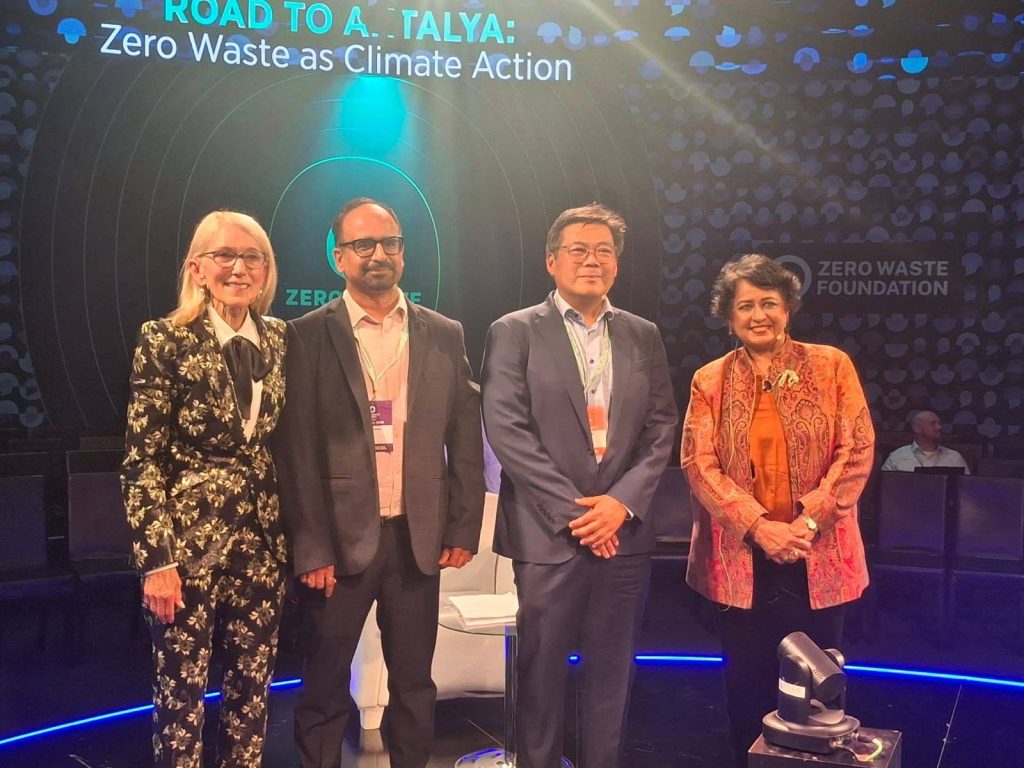
The panel brought together distinguished voices from across global sustainability, trade, business, and governance, including Dr. Jean Baderschneider, Board Director of Fortescue Ltd. and former Vice President of ExxonMobil; Dr. Aik Hoe Lim, Director of the Trade and Environment Division at the World Trade Organization; and Dr. Emani Kumar of ICLEI. Dr. Baderschneider is also a member of the Board of Trustees of the Next Generation India Centre, where Dr. Gurib-Fakim also serves as a board member.
“The challenge before us is not only technical, but deeply behavioral and institutional,” Dr. Gurib-Fakim noted. “If we continue to advance only a linear economy, the waste burden on our planet will remain unsustainable. The 5Rs remind us that meaningful change begins before waste is even created.”
The panel brought together distinguished voices from across global sustainability, trade, business, and governance, including Dr. Jean Baderschneider, Board Director of Fortescue Ltd. and former Vice President of ExxonMobil; Dr. Aik Hoe Lim, Director of the Trade and Environment Division at the World Trade Organization; and Dr. Emani Kumar of ICLEI. Dr. Baderschneider is also a member of the Board of Trustees of the Next Generation India Centre, where Dr. Gurib-Fakim also serves as a board member.
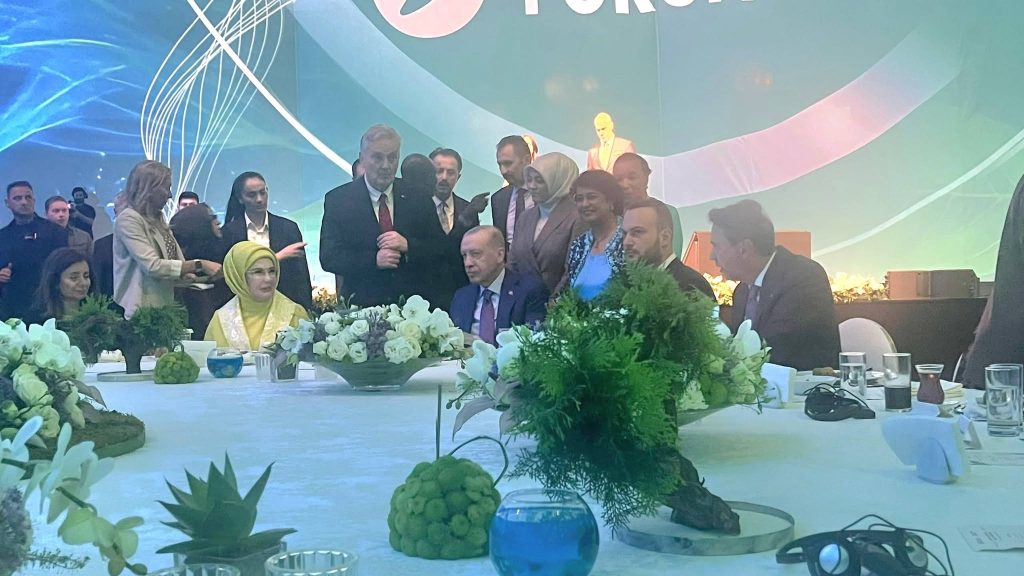
 Dr. Gurib-Fakim also attended the closing ceremony of the Zero Waste Forum 2026 in the presence of President Recep Tayyip Erdoğan and First Lady Emine Erdoğan. The closing ceremony brought together prominent members of the international community and reinforced the Forum’s role in setting the tone for COP31 and for broader global cooperation on waste reduction, circular economy, and climate resilience.
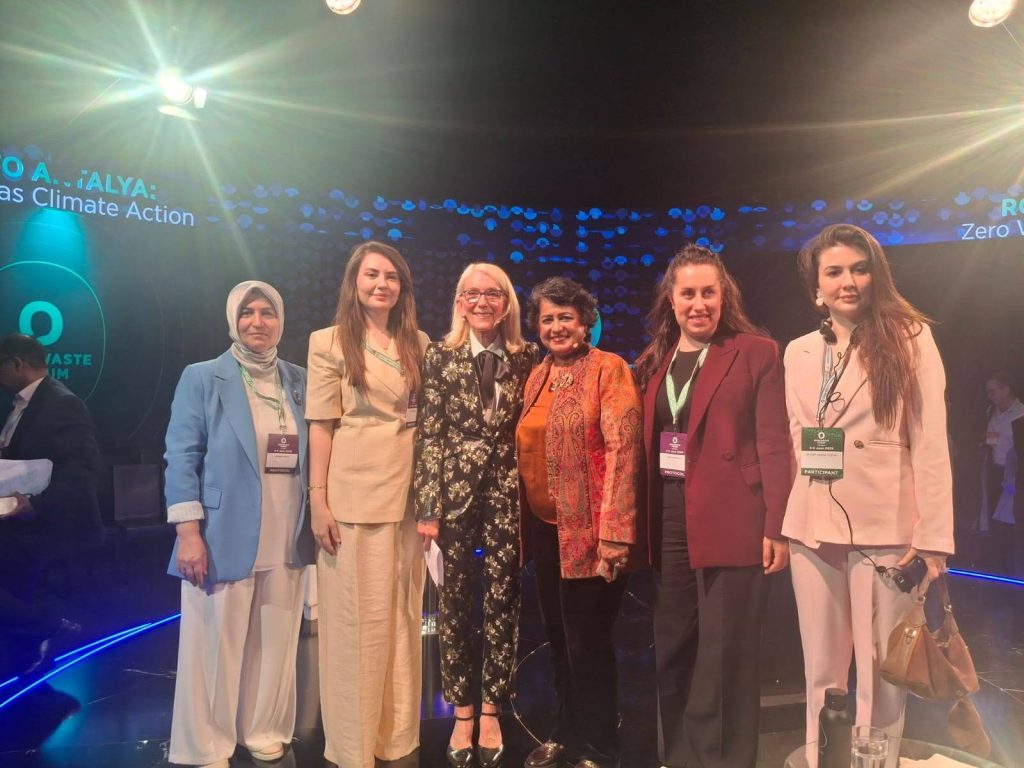
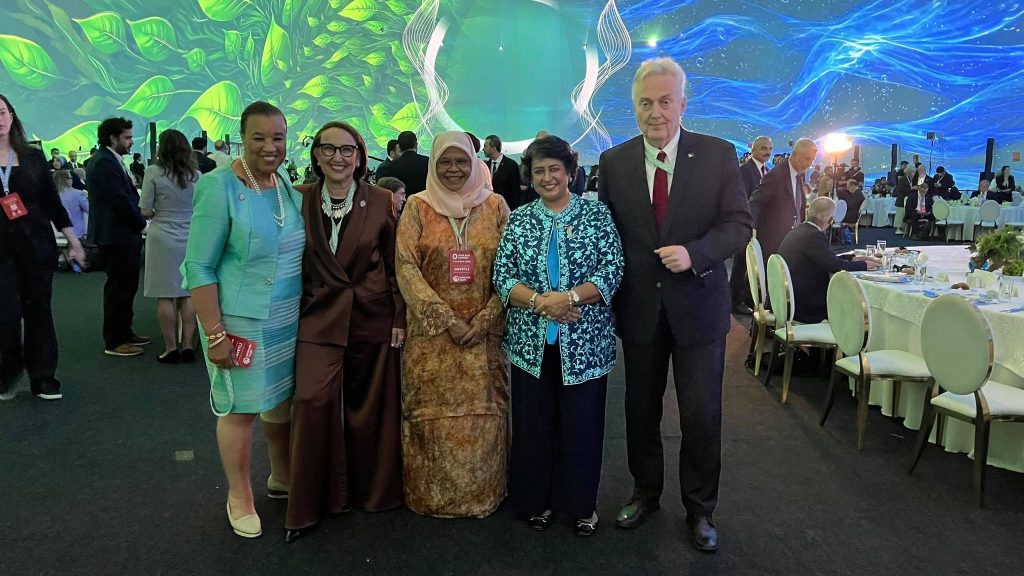
 During the Forum, Dr. Gurib-Fakim joined fellow members and distinguished figures connected to the Nizami Ganjavi International Center, including Baroness Patricia Scotland, Member of the House of Lords of the United Kingdom; Maimunah Mohd Sharif, former Executive Director of UN-Habitat and former Mayor of Kuala Lumpur; Rebeca Grynspan, Secretary-General of UN Trade and Development; Zlatko Lagumdžija, former Prime Minister of Bosnia and Herzegovina; and Csaba Kőrösi, former President of the United Nations General Assembly.
 Reflecting on the discussions, Dr. Gurib-Fakim described the debates as enriching and timely, noting that the Forum provided an important platform to connect environmental responsibility with governance, trade, urban development, resource efficiency, and climate diplomacy. She underscored that zero waste is not merely an environmental slogan, but a governance agenda that requires cross-sector cooperation and long-term leadership.
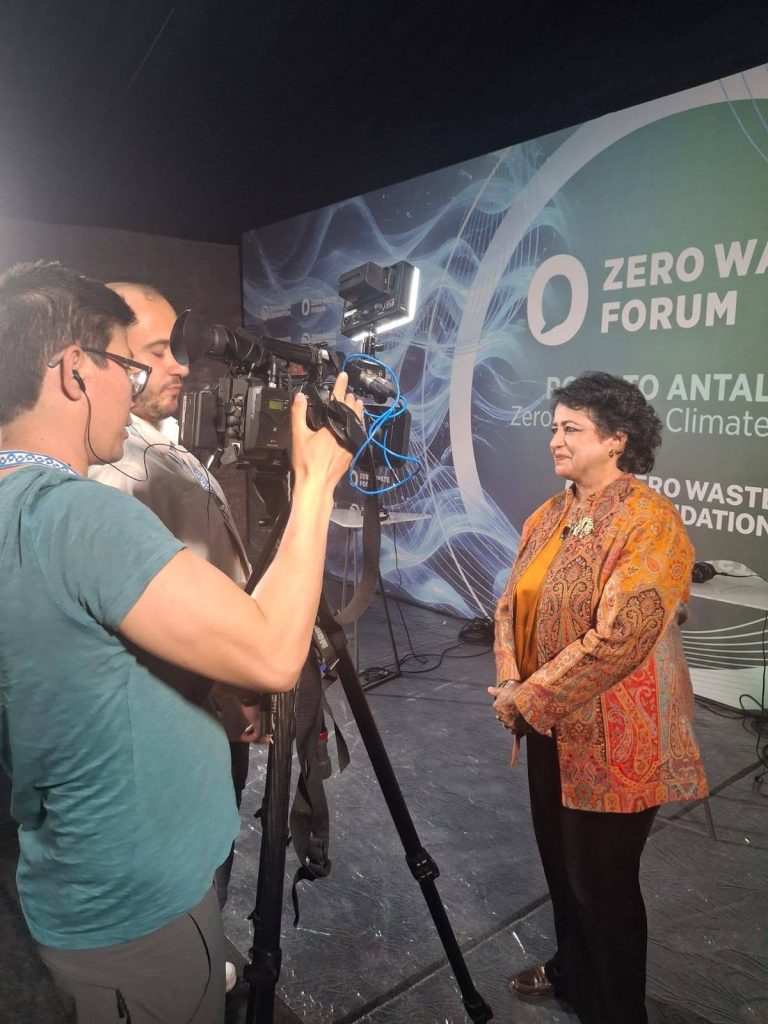 Dr. Gurib-Fakim’s participation underscored GLGI’s commitment to advancing leadership, governance, and policy dialogue on global challenges, including climate action, sustainability, circular economy, and responsible development. Her remarks aligned with the Forum’s broader call for stronger international cooperation, practical implementation, and shared responsibility in addressing waste as a climate and governance issue.
 As the international community prepares for COP31, the Zero Waste Forum provided a timely reminder that waste reduction is not a peripheral environmental concern, but a central pillar of sustainable development. Through her contribution, Dr. Gurib-Fakim called for a renewed global commitment to rethink consumption, redesign systems, and build a future in which environmental stewardship becomes an integral part of governance and leadership.
 About the Global Leadership and Governance Institute
The Global Leadership and Governance Institute is committed to advancing leadership, governance, policy innovation, and international dialogue by bringing together global leaders, former heads of state, scholars, and practitioners to address complex challenges facing societies and institutions worldwide.
About the Global Leadership and Governance Institute
The Global Leadership and Governance Institute is committed to advancing leadership, governance, policy innovation, and international dialogue by bringing together global leaders, former heads of state, scholars, and practitioners to address complex challenges facing societies and institutions worldwide.
Held under the aegis of the Zero Waste Foundation, the Forum served as an important platform on the road to COP31 in Antalya, bringing renewed attention to one of the most pressing environmental challenges facing the planet: waste. Against the backdrop of World Environment Day on June 5, Dr. Gurib-Fakim emphasized that the global waste crisis cannot be addressed through conventional linear economic models alone, but requires a collective shift in mindset, policy, and practice.
Speaking during a panel moderated by Dr. Emani Kumar, Deputy Secretary General of ICLEI and Executive Director of ICLEI South Asia, Dr. Gurib-Fakim reflected on the need to move beyond a “take-make-dispose” approach and toward systems that prioritize responsible consumption, resource efficiency, and circular value creation. She highlighted her “5Rs” framework — Refuse, Reduce, Reuse, Repurpose, and Recycle — as a practical guide for individuals, institutions, businesses, and governments seeking to embed sustainability into everyday decision-making.
“The challenge before us is not only technical, but deeply behavioral and institutional,” Dr. Gurib-Fakim noted. “If we continue to advance only a linear economy, the waste burden on our planet will remain unsustainable. The 5Rs remind us that meaningful change begins before waste is even created.”
The panel brought together distinguished voices from across global sustainability, trade, business, and governance, including Dr. Jean Baderschneider, Board Director of Fortescue Ltd. and former Vice President of ExxonMobil; Dr. Aik Hoe Lim, Director of the Trade and Environment Division at the World Trade Organization; and Dr. Emani Kumar of ICLEI. Dr. Baderschneider is also a member of the Board of Trustees of the Next Generation India Centre, where Dr. Gurib-Fakim also serves as a board member.
Dr. Gurib-Fakim also attended the closing ceremony of the Zero Waste Forum 2026 in the presence of President Recep Tayyip Erdoğan and First Lady Emine Erdoğan. The closing ceremony brought together prominent members of the international community and reinforced the Forum’s role in setting the tone for COP31 and for broader global cooperation on waste reduction, circular economy, and climate resilience.
During the Forum, Dr. Gurib-Fakim joined fellow members and distinguished figures connected to the Nizami Ganjavi International Center, including Baroness Patricia Scotland, Member of the House of Lords of the United Kingdom; Maimunah Mohd Sharif, former Executive Director of UN-Habitat and former Mayor of Kuala Lumpur; Rebeca Grynspan, Secretary-General of UN Trade and Development; Zlatko Lagumdžija, former Prime Minister of Bosnia and Herzegovina; and Csaba Kőrösi, former President of the United Nations General Assembly.
Reflecting on the discussions, Dr. Gurib-Fakim described the debates as enriching and timely, noting that the Forum provided an important platform to connect environmental responsibility with governance, trade, urban development, resource efficiency, and climate diplomacy. She underscored that zero waste is not merely an environmental slogan, but a governance agenda that requires cross-sector cooperation and long-term leadership.
Dr. Gurib-Fakim’s participation underscored GLGI’s commitment to advancing leadership, governance, and policy dialogue on global challenges, including climate action, sustainability, circular economy, and responsible development. Her remarks aligned with the Forum’s broader call for stronger international cooperation, practical implementation, and shared responsibility in addressing waste as a climate and governance issue.
As the international community prepares for COP31, the Zero Waste Forum provided a timely reminder that waste reduction is not a peripheral environmental concern, but a central pillar of sustainable development. Through her contribution, Dr. Gurib-Fakim called for a renewed global commitment to rethink consumption, redesign systems, and build a future in which environmental stewardship becomes an integral part of governance and leadership.
About the Global Leadership and Governance Institute
The Global Leadership and Governance Institute is committed to advancing leadership, governance, policy innovation, and international dialogue by bringing together global leaders, former heads of state, scholars, and practitioners to address complex challenges facing societies and institutions worldwide.